
admin
በሂል አፍሪካ ሄልዝ ሲቲ ስር የሚተዳደረው ቤቴል ሜዲካል ኮሌጅ፣ የሰባት ዓመት የትምህርት ዘመናቸውን ያጠናቀቁ 40 ተማሪዎችን ዛሬ ቅዳሜ ሚያዝያ 25 ቀን 2017 ዓ.ም በኮሌጁ ግቢ ውስጥ በድምቀት አስመርቋል። የምረቃ ሥነ-ሥርዓቱ በተመራቂ ተማሪዎችና በኮሌጁ ማኅበረሰብ አባላት በተገኙበት ተካሂዷል።
ዋና ዋና ነጥቦች:
ትልቅ ምዕራፍ: በዛሬው ዕለት የተመረቁትን 40 ሐኪሞች ጨምሮ፣ ቤቴል ሜዲካል ኮሌጅ እስካሁን ያስመረቃቸው ጠቅላላ ሐኪሞች ቁጥር 1055 ደርሷል። ይህ ኮሌጁ የደረሰበት ትልቅና ታሪካዊ ምዕራፍ ነው።
የላቀ ውጤት ያስመዘገቡ ተማሪዎች:
- ወ/ሪት ኢማን ሙሐመድ በ3.76 የላቀ ውጤት አንደኛ ወጥታለች።
- ወ/ሪት ኢክራም ጦይብ በ3.67 ውጤት ሁለተኛ ሆናለች።
- አቶ አቤል አማረ በ3.64 ውጤት ሦስተኛ ደረጃን አግኝቷል።
ለላቀ ተማሪዎች የሥራ ዕድል: ኮሌጁ ለሦስቱ የላቀ ውጤት ላስመዘገቡ ተመራቂዎች በኮሌጁ ቤተሰብ በሆኑት የህክምና ተቋማት፣ በቤተል ቲቺንግ ጠቅላላ ሆስፒታል፣ ከሚሴ በሚገኘው ሂል አፍሪካ ሆስፒታል፣ እንዲሁም በቦሌ በሚገኘው ሂል ሊቭ የቆዳና የጸጉር ንቅለ ተከላ ስፔሻላይዝድ ክሊኒክ ውስጥ በቀጥታ በሐኪምነት እንዲቀጠሩ የእድል ውሳኔ ማስተላለፉን አስታውቋል።
የቦርድ ፕሬዝዳንቱ ንግግር: በምረቃ ሥነ-ሥርዓቱ ላይ የኮሌጁ የቦርድ ፕሬዝዳንት አቶ መስዑድ ሙሐመድ እንደተናገሩት፣ ቤቴል ሜዲካል ኮሌጅና ሌሎች በሂል አፍሪካ ሄልዝ ሲቲ ስር የሚተዳደሩ ተቋማት በጤናው ዘርፍ የውጭ ምንዛሬን በማዳን እና የሕክምና ቱሪዝምን በማስፋፋት ረገድ ጉልህ አስተዋፅዖ እያደረጉ ነው።
ስለ ኮሌጁ:
ቤቴል ሜዲካል ኮሌጅ በ1996 ዓ.ም ከተመሠረተ ወዲህ በጤናው ዘርፍ ጥራት ያለው የሰው ኃይል በማሰልጠን ላይ ይገኛል። በአሁኑ ወቅት በሜዲካል ዶክተርነት፣ በነርሲንግ እና በጤና መኮንንነት የትምህርት ፕሮግራሞችን በመስጠት ይታወቃል።
ለተመራቂ ሐኪሞቻችን እንኳን ደስ አላችሁ! በቀጣይ የሙያ ሕይወታችሁ ስኬትን እንመኛለን።
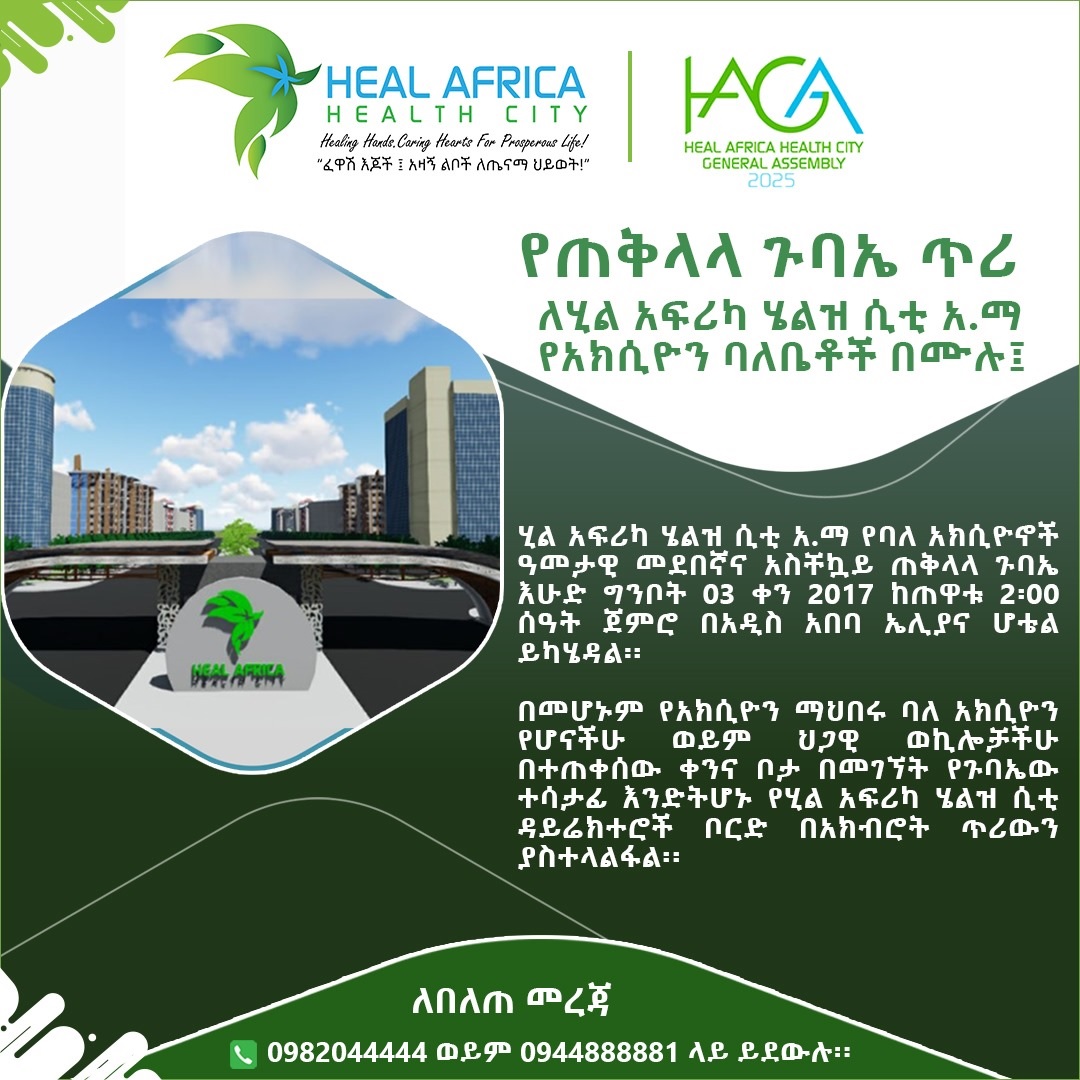
Heal Africa Health City S.C accomplishments has been announced for the shareholders
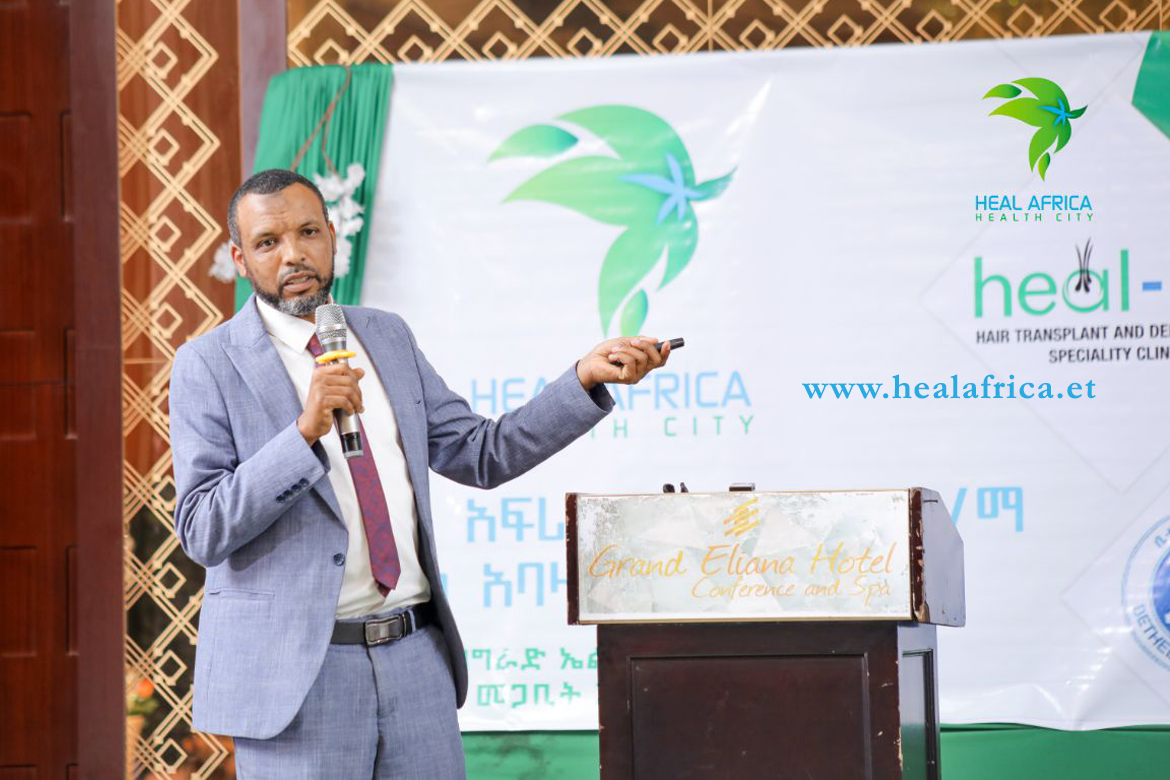
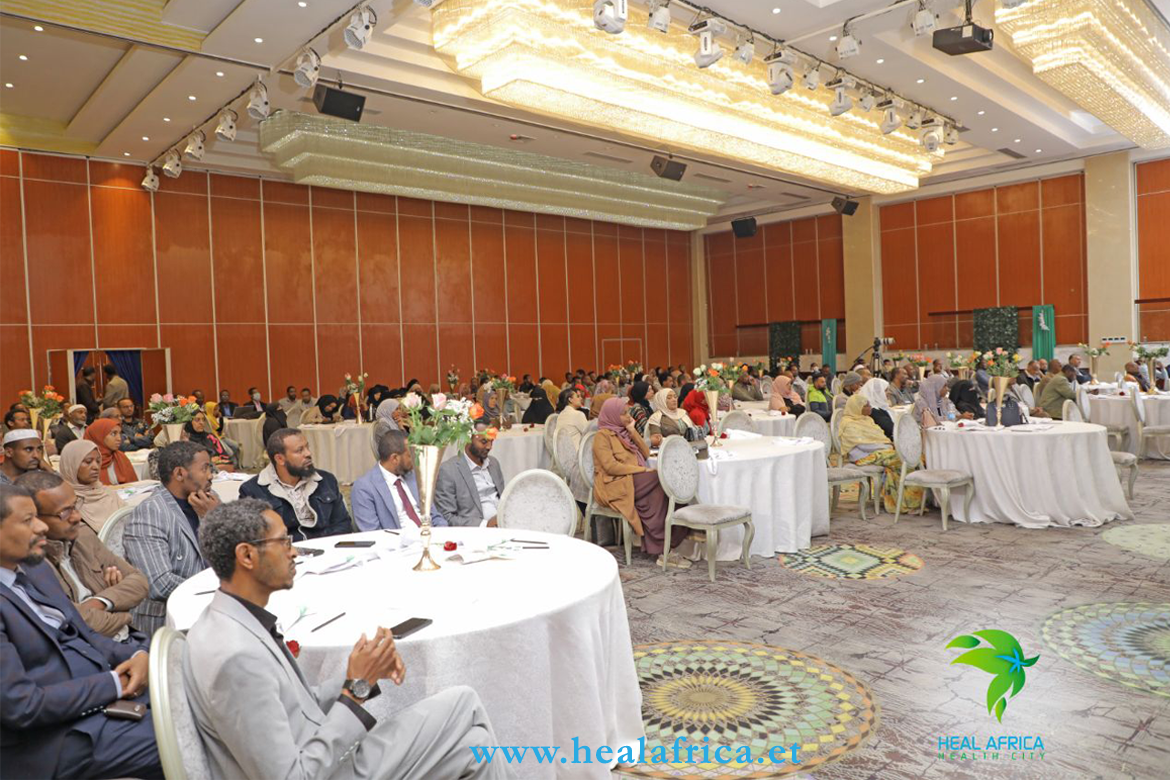
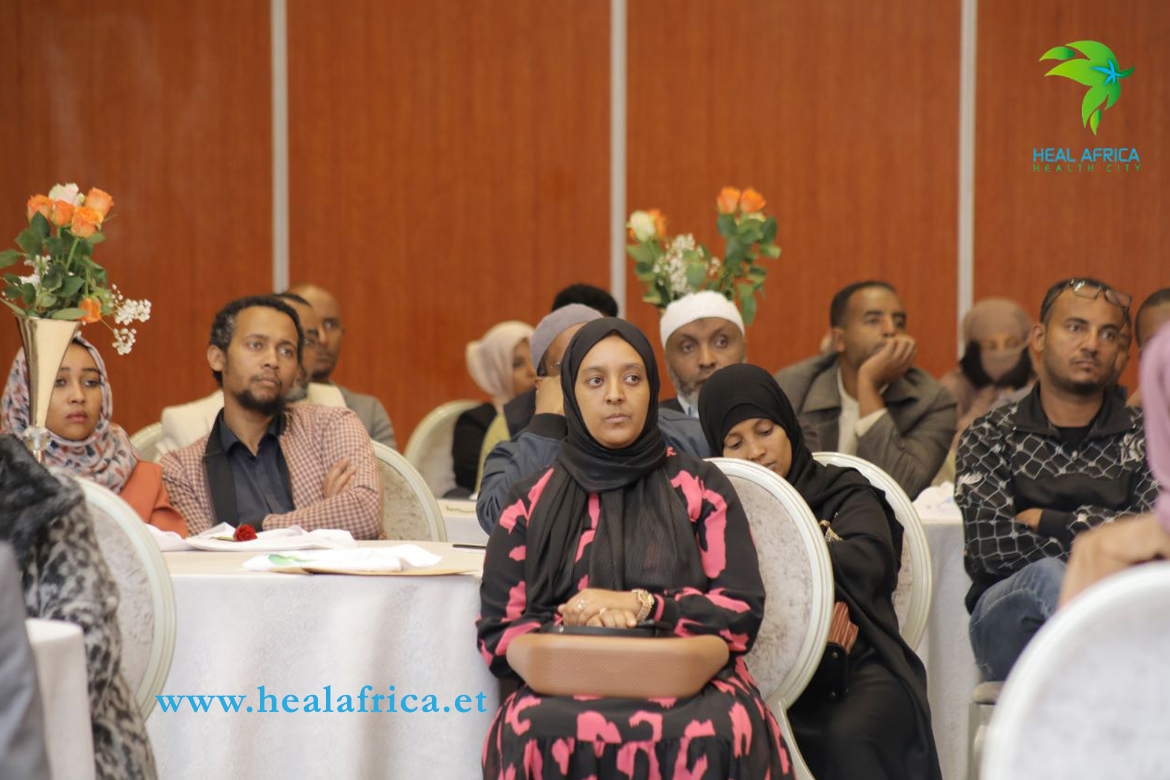
During its recent members acceptance conference at Eliana Hotel, the board of management of Heal Africa Health City Share Company proudly announced their pioneering work in the healthcare industry. Through the establishment of new institutions and the acquisition of renowned health facilities, Heal Africa Health City has positioned itself as a leader in the healthcare market.
The company’s recent acquisitions include the massive Bethel Teaching Hospital and its affiliated medical college, built on an area of 10,000 and 26,000 square meters respectively. Additionally, the newly established Heal Africa Kemise General Hospital in Kemise city provides medical services built on an area of 2,200 square meters ground.
Heal Africa Health City has also ventured into specialty clinics, offering innovative treatments such as the Heal-Liv Hair Transplant and Dermatology Clinic and the Heal Africa Kidney Dialysis and Internal Medicine Specialty Clinics. These clinics have received widespread acceptance and acclaim from customers seeking quality medical care.
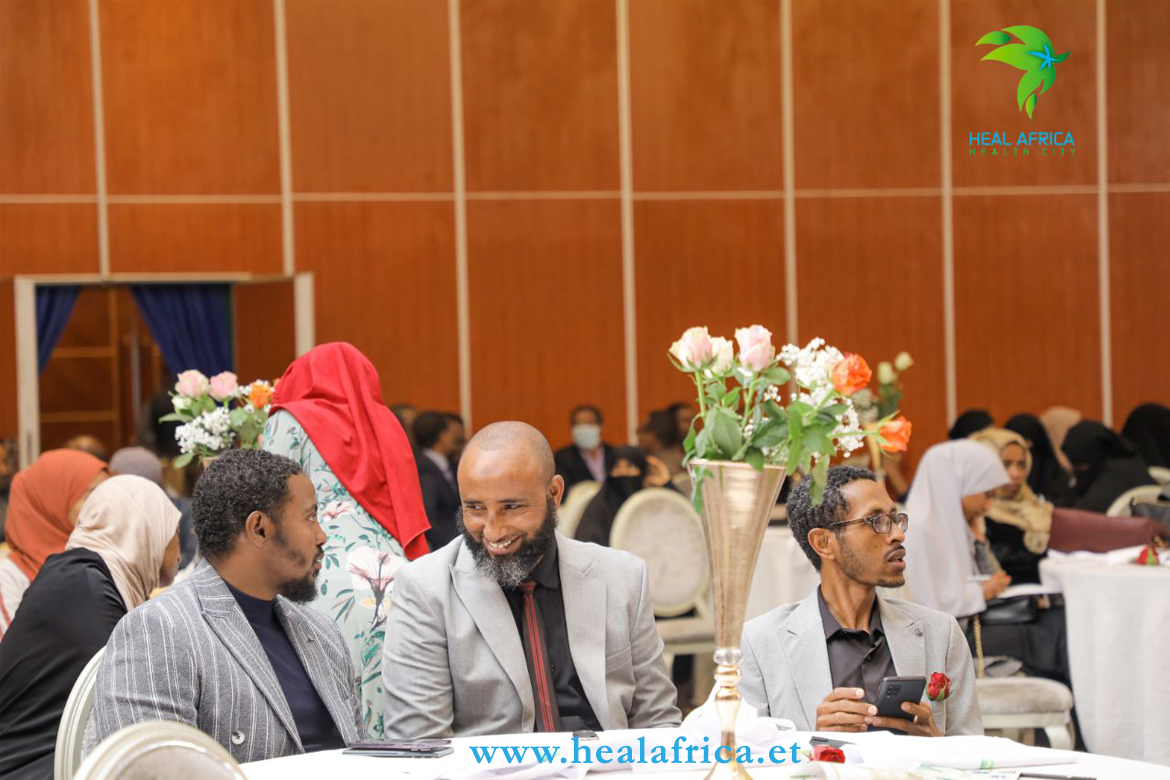
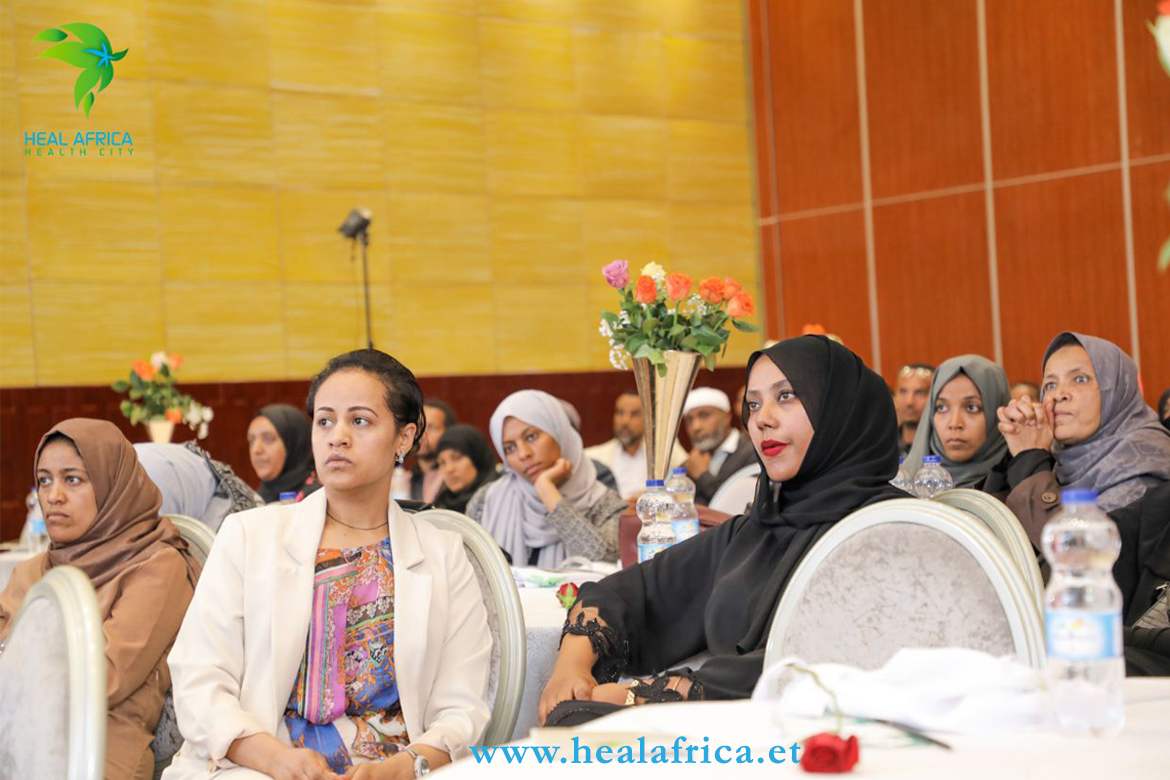
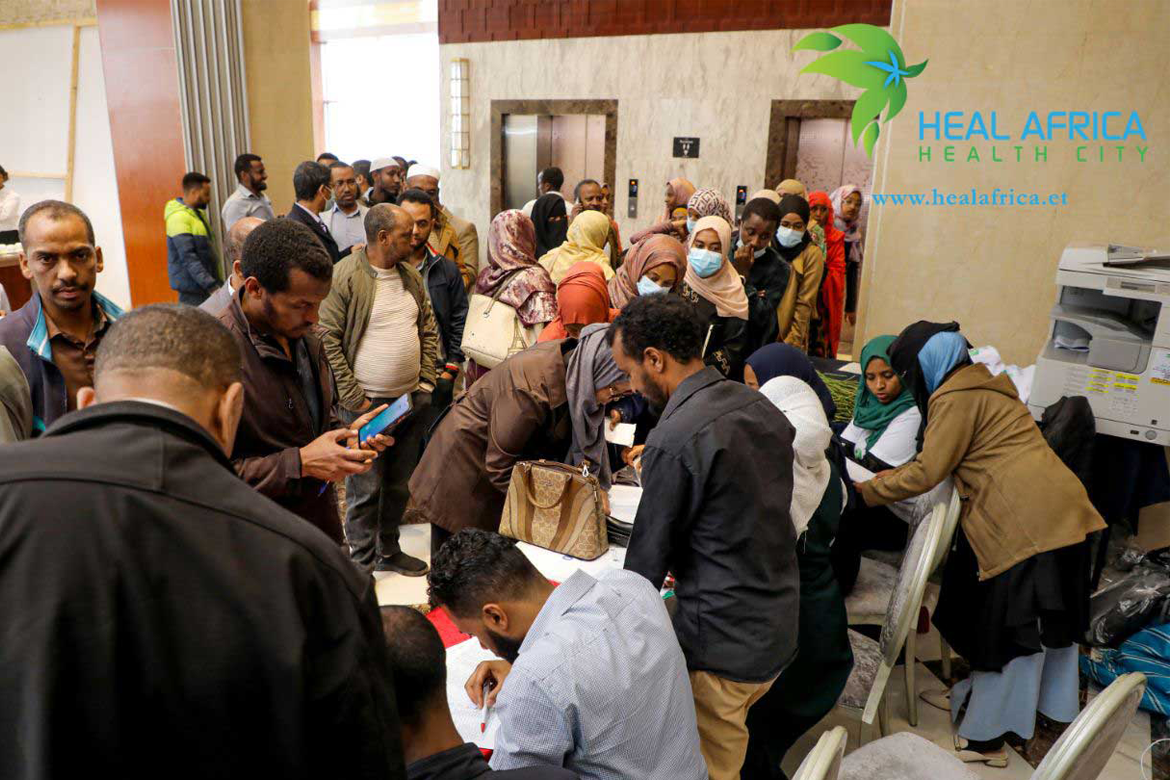
At the conference, shareholders who invested in Heal Africa Health City also expressed their enthusiasm for the company’s mission and actively participated in discussions about its future growth.
With a commitment to “Healing hands, compassionate hearts for a prosperous life!” Heal Africa Health City is poised to revolutionize healthcare by expanding access to quality medical care for all.
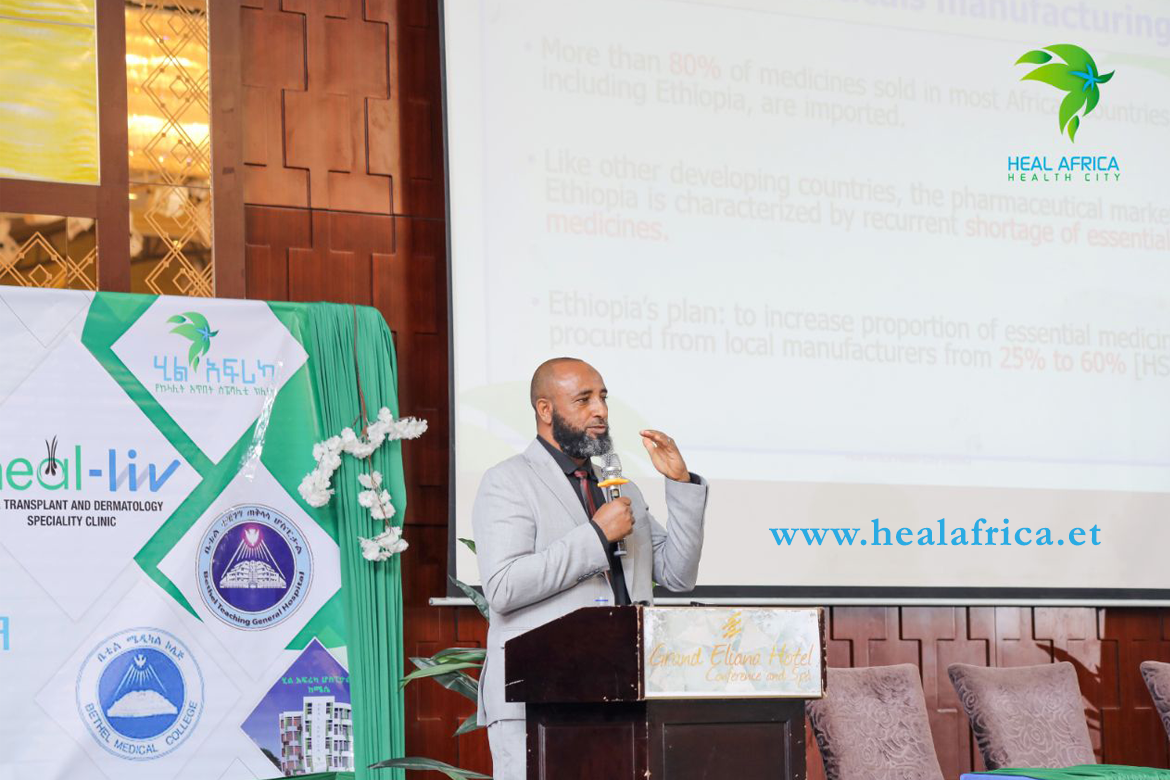
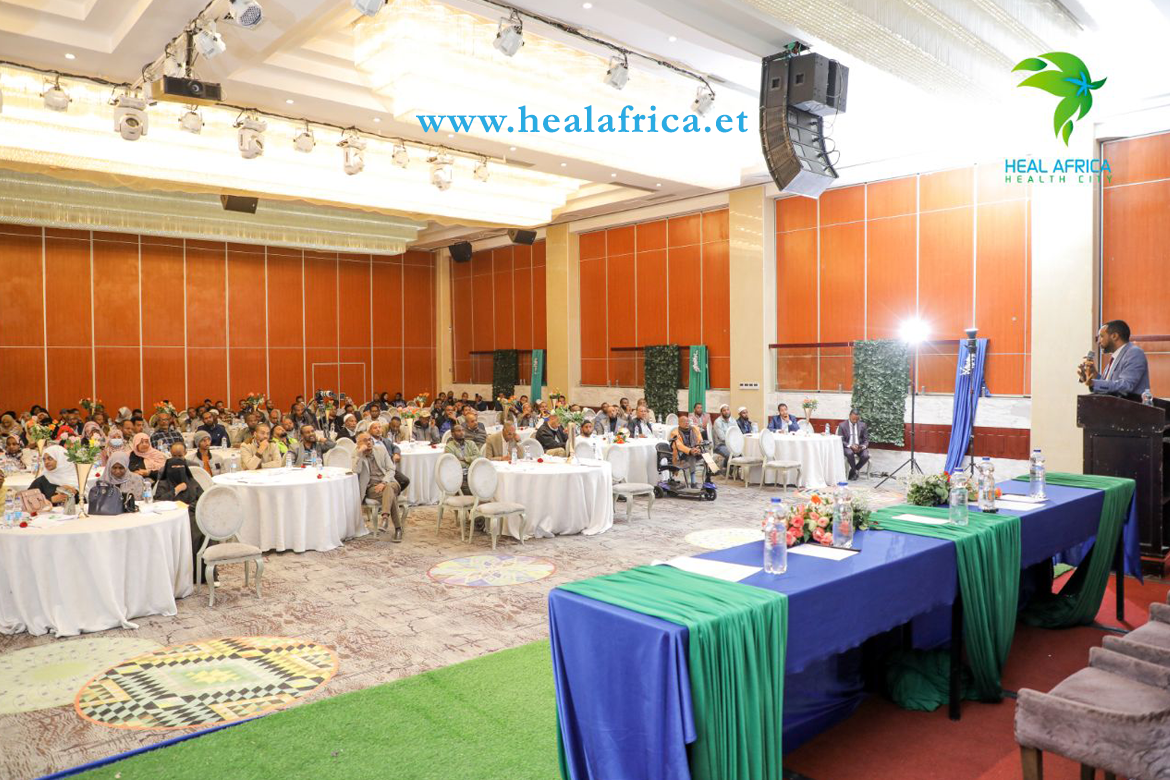
General Assembly and New Share Holders Conference of Heal Africa Health City S.C
Are you seeking a state-of-the-art healthcare facility that combines expertise, compassion, and innovation? Join the health tourism revolution at Heal Africa Health City, home to over 120 medical specialists and subspecialists.
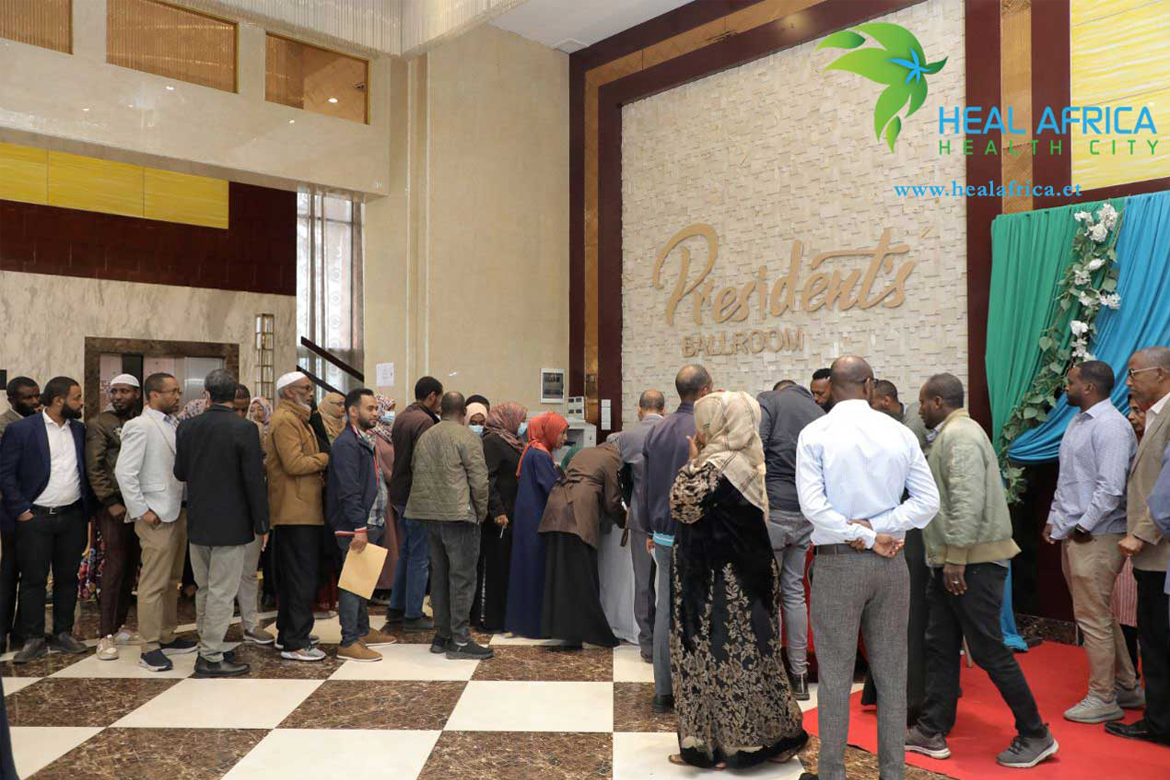
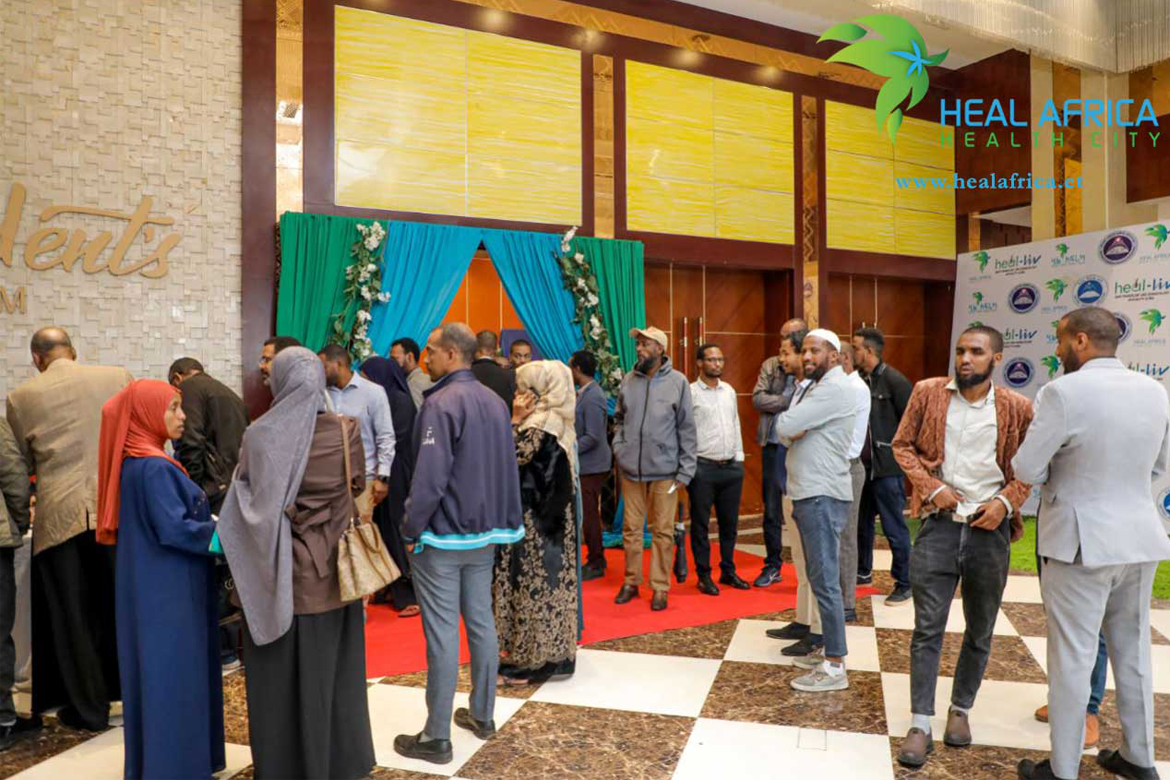
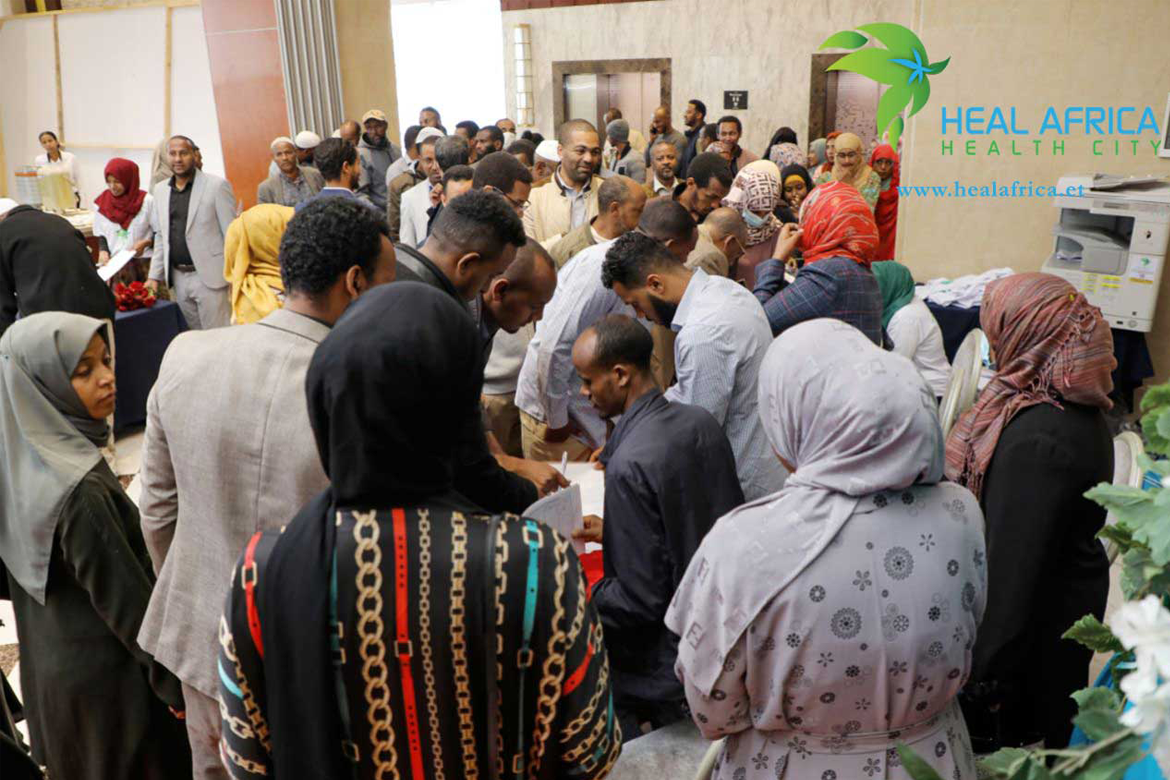
Heal Africa Health City Share Company is currently hosting an acceptance meeting for new members at the Eliana Hotel in Addis Ababa. Shareholders from Ethiopia and abroad are participating in this momentous event.
During the conference, the management board is highlighting Heal Africa’s achievements since its establishment. As the first health institution in Africa to establish and build over 22 medical centers and other facilities, Heal Africa is leading the way in making Ethiopia a hub for health tourism.
Our share company was established with the participation of over 120 medical specialists and subspecialists, along with other professionals and investors, all dedicated to advancing healthcare in Ethiopia. With our motto, “Healing hands, compassionate hearts for a prosperous life!”, we are committed to providing cutting-edge healthcare services with a personal touch.
Join us at Heal Africa Health City and experience the transformational power of healthcare innovation and expertise. Don’t miss out on the chance to be a part of the health tourism revolution in Ethiopia.

Exploring the Opportunities and Challenges of Investing in Multi-Specialty Hospitals in Ethiopia
Introduction: Understanding the Demand for Multi-Specialty Hospitals in Ethiopia
Ethiopia’s healthcare sector is experiencing rapid growth, with a significant increase in investments in multi-specialty hospitals and medical tourism in recent years. The Ethiopian government has allocated substantial funds to improve the quality of medical services in the country, making it a sought-after destination for tourists seeking affordable, high-quality medical care. According to the World Health Organization, Ethiopia has approximately 7 doctors and 10 hospital beds per 10,000 people, lower compared to the African average of 11 doctors and 25 beds per 10,000 people. The government’s investment in multi-specialty hospitals could help address this gap and improve access to quality medical care for both citizens and tourists.
Examining the Benefits of Investing in Multi-Specialty Hospitals in Ethiopia
The Ethiopian healthcare system currently faces a shortage of funding, resulting in a lack of medical supplies and personnel. Investing in hospital projects in Ethiopia could help improve its medical infrastructure and provide better healthcare services to its citizens. In 2019, the healthcare sector in Ethiopia attracted over $100 million in foreign direct investment, which is expected to increase as the government continues to prioritize the development of the healthcare sector. The investments in multi-specialty hospitals could also generate new economic opportunities for businesses and investors.
Assessing the Risks & Challenges of Investing in Multi-Specialty Hospitals in Ethiopia
The rapid growth of the healthcare industry in Ethiopia is accompanied by a set of potential risks and challenges that need to be addressed. Medical financing options and the state of the insurance industry in Ethiopia play a crucial role in ensuring the success of healthcare investments. The insurance sector in Ethiopia is still in its early stages of development, with only 4% of the population having health insurance coverage. This creates a challenge for investors who are seeking to invest in multi-specialty hospitals in Ethiopia. The government and private sector need to collaborate to address these challenges and create a favorable environment for healthcare investments in the country.
Looking at Success Stories of Multi-Specialty Hospital Investments Around the World
The healthcare industry is undergoing a significant transformation globally, driven by advancements in technology, medical science, and investment strategies. Multi-specialty hospital investments are becoming increasingly popular as investors seek to capitalize on the potential of modernized healthcare delivery systems. According to a report by McKinsey, global healthcare investment is expected to reach $10 trillion by 2022.
Join the healthcare revolution in Ethiopia: Invest in growth, improve access to quality care, and create economic opportunities while overcoming challenges and maximizing your investment.
How Can Investors Overcome These Challenges and Maximize Their Investment?
Investing can be a powerful tool for building wealth and achieving financial security, but it can also be challenging, especially for those with limited experience and knowledge of the markets. Fortunately, there are tools and resources available to help investors overcome these challenges and confidently invest in their future. By obtaining the right knowledge, developing a solid strategy, and being persistent, working together avoiding duplication of effort investors can achieve success in their investment journey.
Conclusion:
In conclusion, the healthcare sector in Ethiopia is experiencing rapid growth with increased investments in multi-specialty hospitals and medical tourism. The Ethiopian government has allocated substantial funds to improve the quality of medical services, making it an attractive destination for tourists seeking affordable and high-quality medical care. While investing in multi-specialty hospitals in Ethiopia presents an opportunity to improve access to quality medical care and create economic opportunities, it also faces challenges such as the lack of medical financing options and the underdeveloped insurance sector. To overcome these challenges and maximize their investment, investors need to obtain the right knowledge, develop a solid strategy, and be persistent. By addressing the challenges and leveraging the potential of the healthcare sector, Ethiopia can continue to grow and improve its medical infrastructure for the benefit of both its citizens and tourists.
Resources:
- World Health Organization (WHO): A great source of information on global health, including statistics and data on healthcare in Ethiopia.
- Ethiopian Ministry of Health: The official website of the Ethiopian Ministry of Health provides information on the country’s healthcare system and initiatives, as well as updates on the latest developments.
- McKinsey & Company: A global management consulting firm that publishes research and analysis on a range of topics, including healthcare investments and trends.
- Healthcare Investment & Development in Ethiopia: A report by the Ethiopian Investment Commission that provides an overview of the healthcare sector in Ethiopia, including investment opportunities and challenges.
- Journal of Medical Tourism: An academic journal that publishes research and analysis on medical tourism and healthcare investment globally.
- African Journal of Health Sciences: A peer-reviewed journal that publishes research on health and medical sciences in Africa, including Ethiopia.
- International Journal of Health Planning and Management: An academic journal that focuses on healthcare planning and management, including investment and financing in healthcare.
Collaborating for a Better Future of Healthcare: The Importance of Personalization, Technology, and Innovation
The future of health care is constantly evolving, and technological advancements are playing a significant role in shaping the way healthcare is delivered. In the coming years, the healthcare industry is expected to experience significant change, as new technologies and innovations are integrated into the system to improve the quality and accessibility of care.
One of the most significant trends in the future of health care is personalized medicine. Precision medicine and genomics are revolutionizing the way healthcare providers diagnose and treat diseases. Precision medicine is an approach to patient care that takes into account the unique genetic makeup, lifestyle, and environmental factors of each individual. This means that treatment plans can be tailored to the specific needs of each patient, rather than relying on a one-size-fits-all approach. The use of genomics and precision medicine will allow healthcare providers to better understand the underlying causes of diseases, as well as to develop more effective treatments.
Telemedicine and remote monitoring are also expected to play a significant role in the future of health care. Telemedicine refers to the use of technology to deliver medical care from a distance, allowing patients to receive care from the comfort of their own homes. This technology is especially useful in rural or remote areas where access to healthcare is limited. Remote monitoring technology allows healthcare providers to track the health and wellness of patients in real-time, providing early warning signs of potential health problems and allowing for prompt intervention.
Artificial Intelligence (AI) and machine learning are also likely to play a significant role in the future of health care. AI has the potential to revolutionize the way healthcare providers diagnose and treat diseases. For example, AI-powered algorithms can analyze large amounts of data to identify patterns and potential health problems, helping healthcare providers make more informed decisions. Machine learning can also be used in the development of new drugs and treatments, allowing for more efficient and effective clinical trials.
Wearable technology is another trend that is expected to shape the future of health care. Wearable devices, such as smartwatches and wearable fitness trackers, are becoming increasingly integrated into the healthcare system, allowing patients to track their health and wellness in real-time. This information can then be shared with healthcare providers, allowing them to make more informed treatment decisions.
The Internet of Medical Things (IoMT) is another trend that is expected to shape the future of health care. IoMT refers to the use of interconnected medical devices, such as smart inhalers and continuous glucose monitoring devices, that provide real-time data about a patient’s health. This information can be used by healthcare providers to make more informed treatment decisions, as well as to monitor patients for potential health problems.
In conclusion, the future of health care is likely to be more personalized, accessible, and technology-driven, allowing patients to take a more active role in their own health and wellness. New technologies and innovations are expected to play a significant role in shaping the way healthcare is delivered, providing patients with access to more effective treatments and improved health outcomes. As these technologies continue to evolve, it is crucial that healthcare providers and policymakers work together to ensure that they are used in a way that benefits patients and improves the quality of care.
“Alone we can do so little, but together we can change the world of healthcare through investment in personalization, technology, and innovation.”
Ethiopia is a country with a large population and growing economy (i.e. a population of about 120 Million and a one of the top five fast growing GDP in sub Saharan Africa). In recent years, the government of Ethiopia has made significant investments in its health care sector, and there is still room for growth and development in this field.
The Healthcare Sector in Ethiopia: Navigating Challenges and Overcoming Obstacles
Healthcare is one of the most essential needs for any population, and in Ethiopia, the healthcare sector faces several challenges that impact its ability to deliver quality care to its people. From lack of available forex to the bureaucratic government, these challenges have the potential to undermine the healthcare sector’s growth and development. In this blog, we will explore some of the most pressing challenges faced by the healthcare sector in Ethiopia and discuss potential solutions to overcome these obstacles.